Focusing gaze at a stationary object
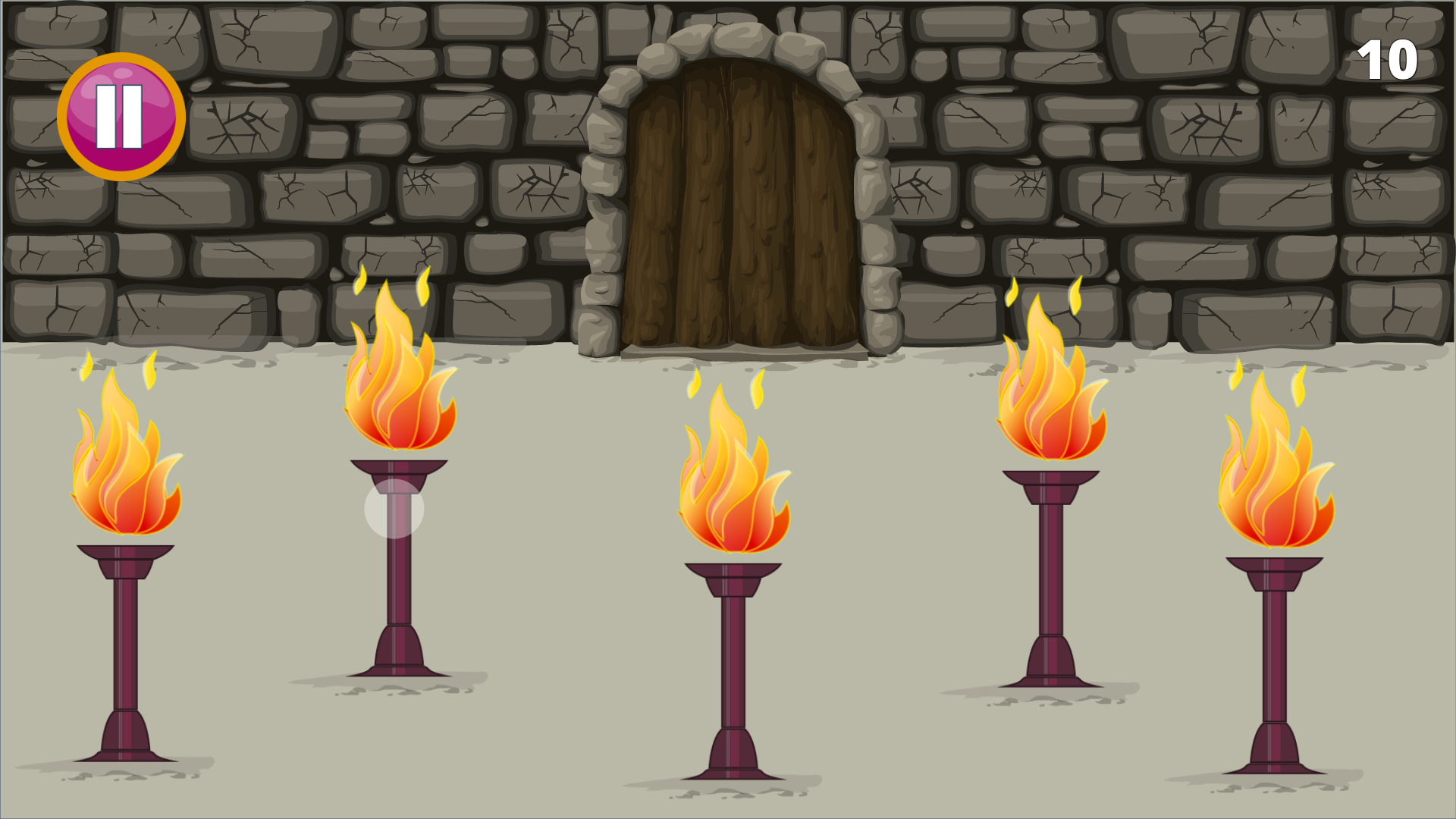
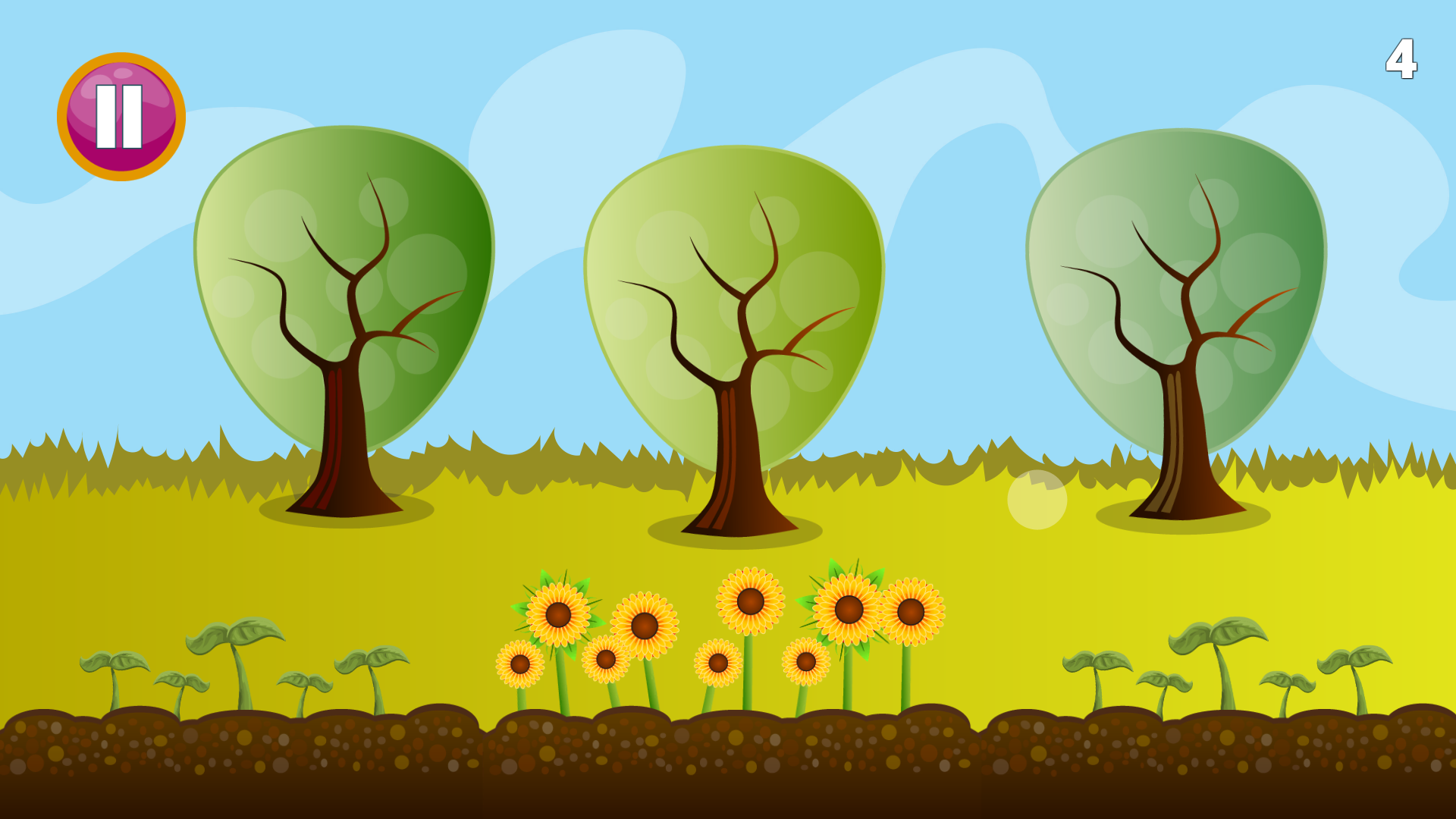
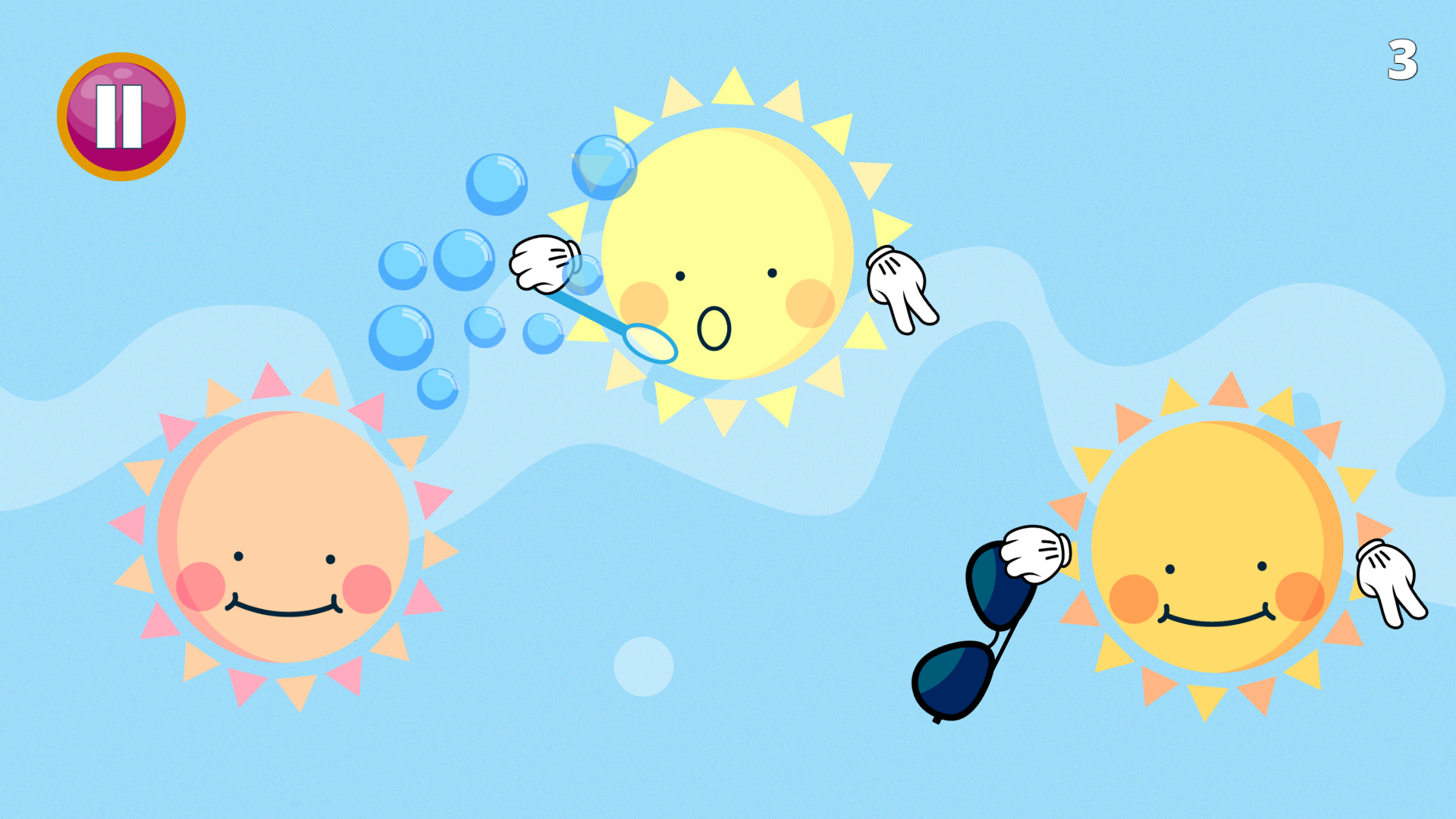
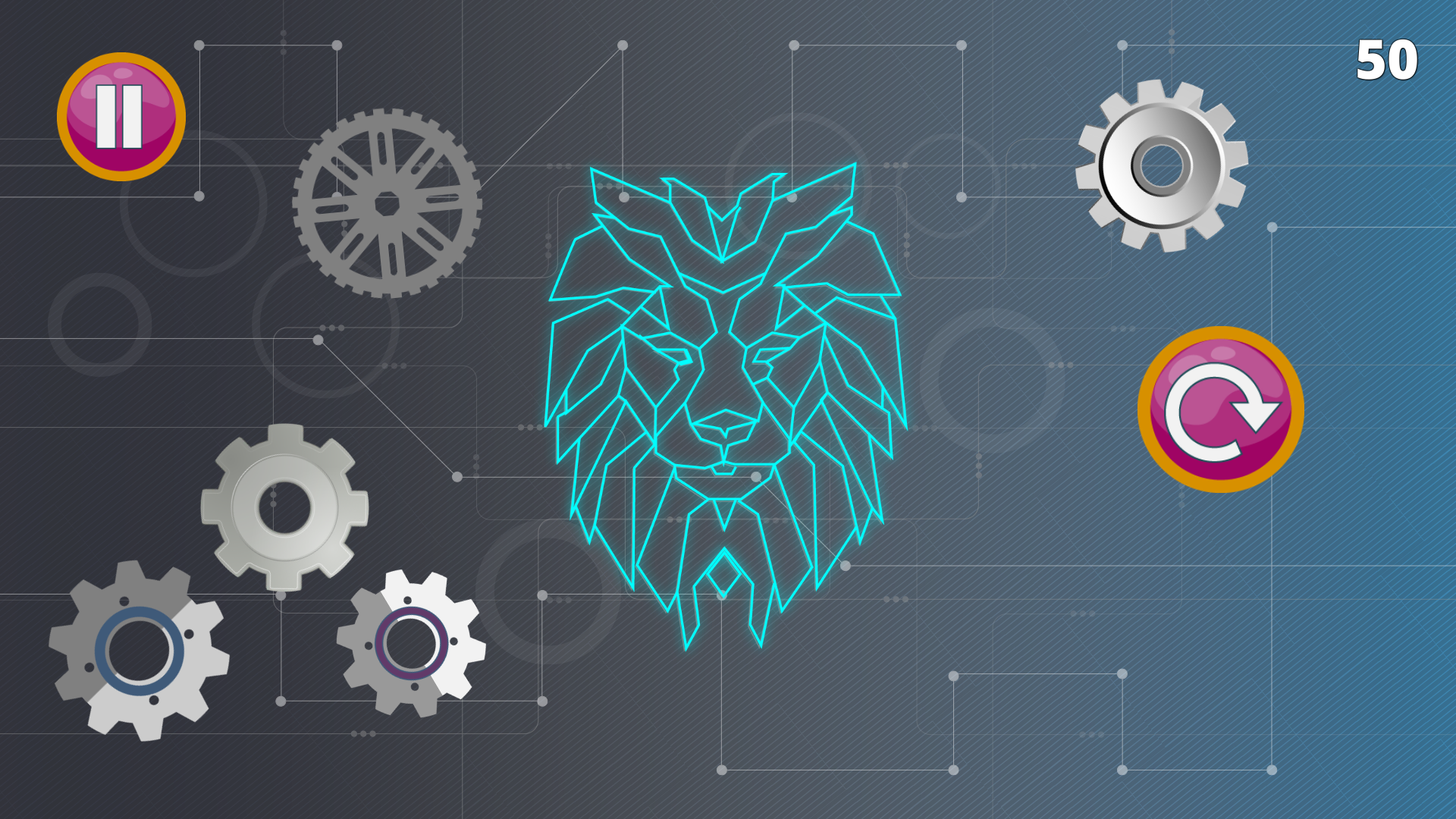
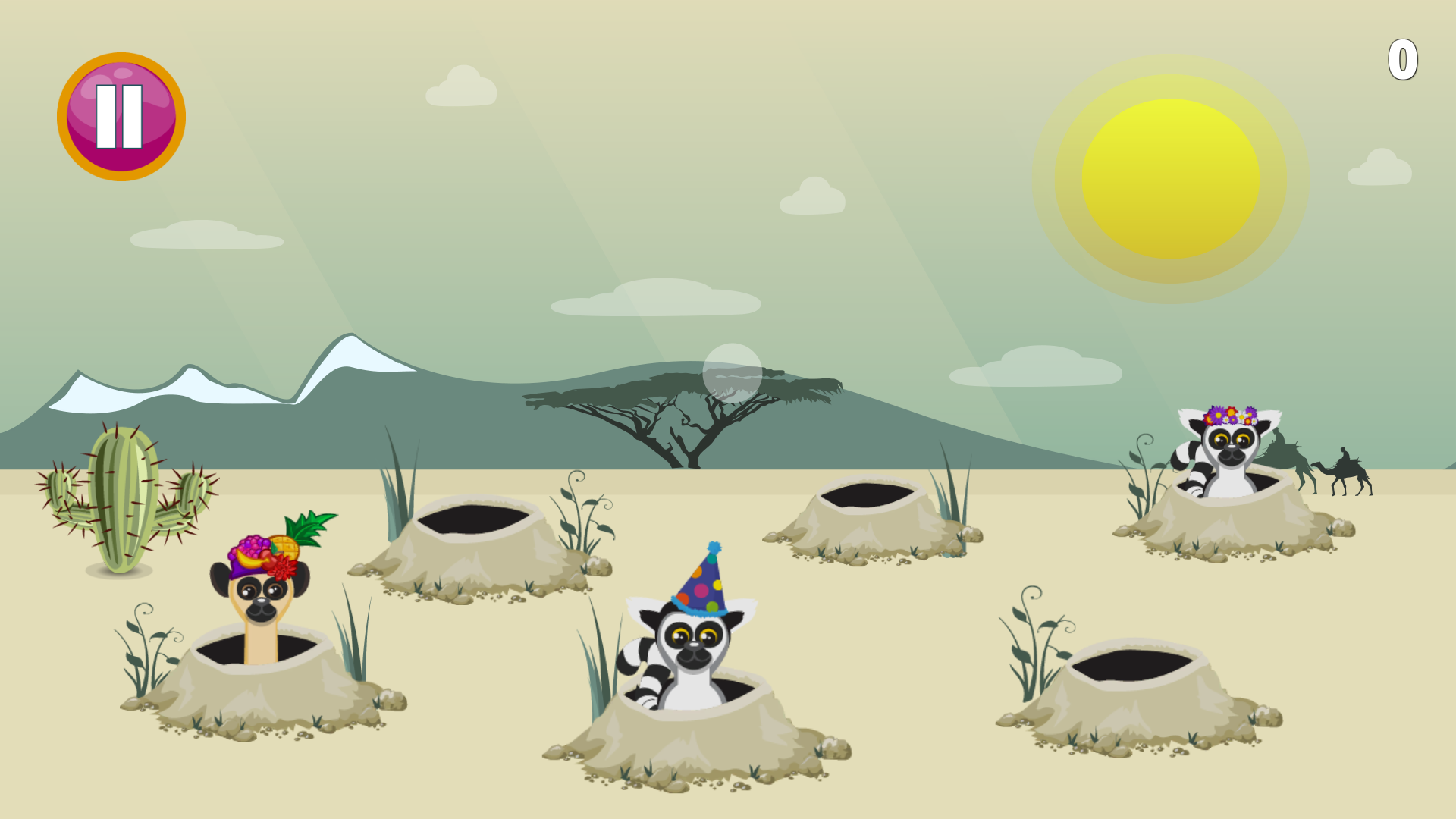
This category includes games in which the child interacts with stationary objects using their gaze. They learn to find and distinguish elements from the background and consciously direct their gaze at them. This way, children discover that they can use their gaze not only to observe but also to make things happen, developing a sense of agency.
Focusing gaze at a moving object
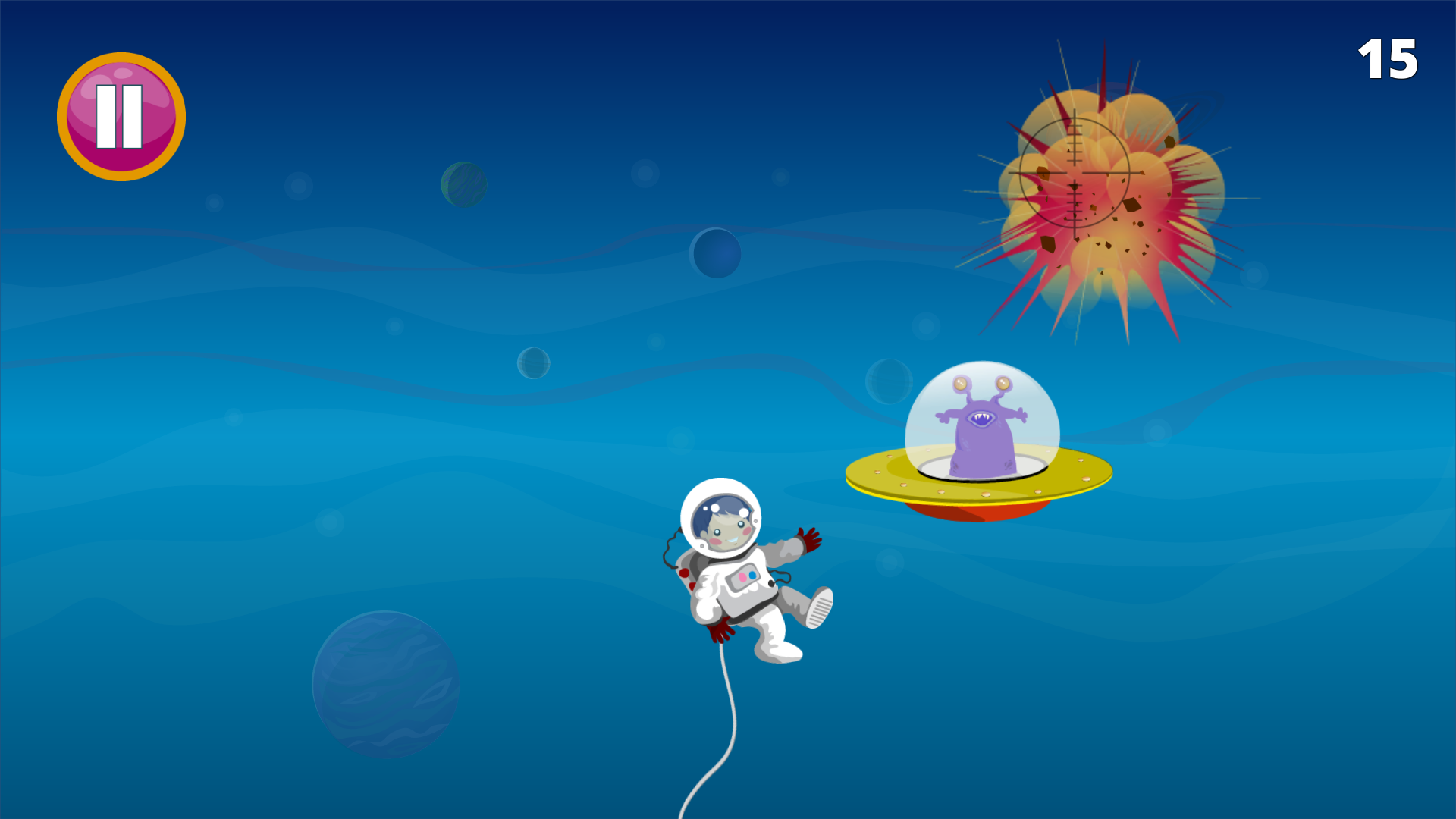
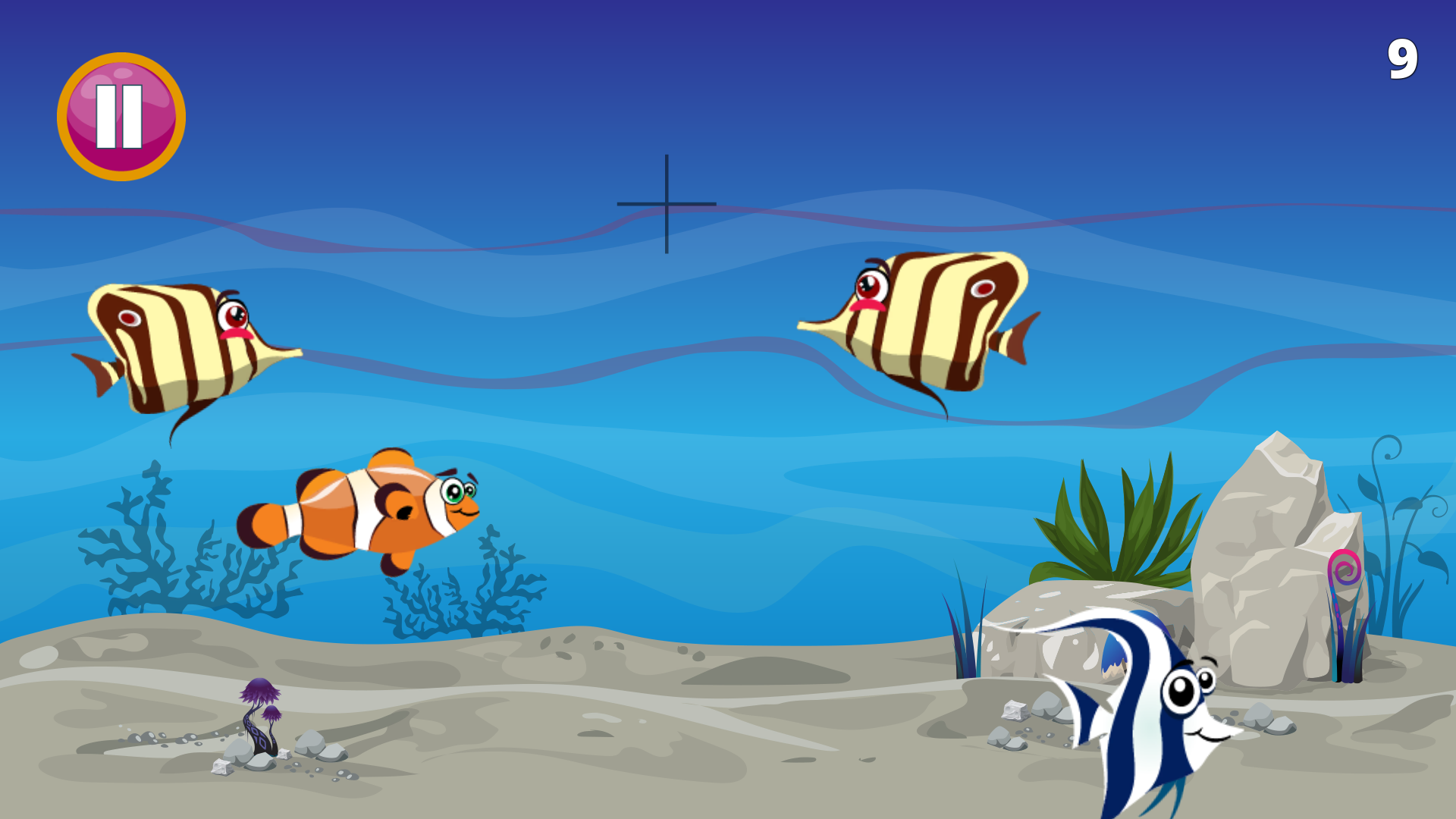
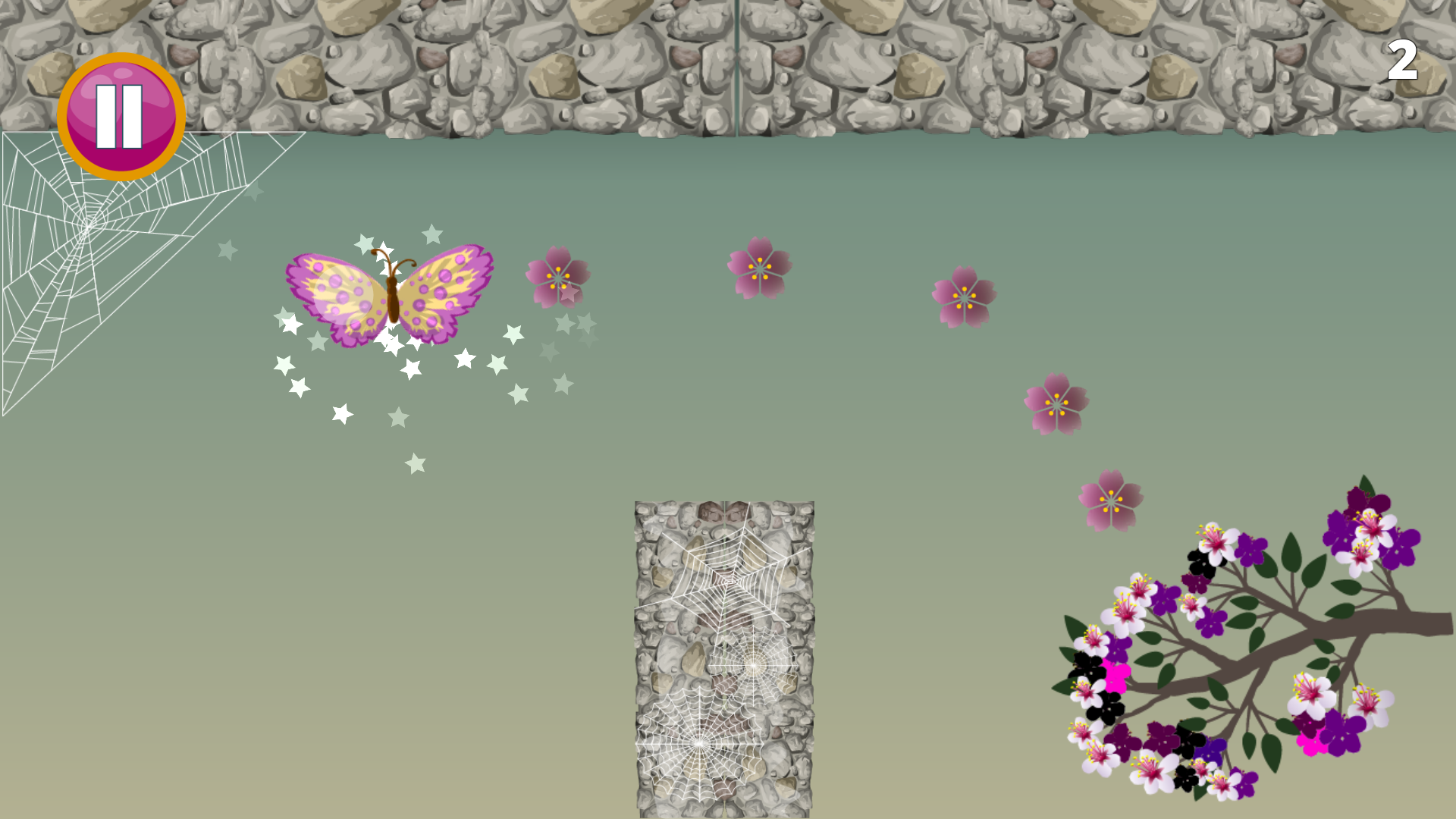
This category covers games that teach the child to notice moving objects and consciously direct their gaze at them. Motion naturally attracts attention, so for some children such activities may be easier than finding stationary objects. The games also allow observing how the child reacts to objects of different sizes moving at different speeds.

Gaze dwelling
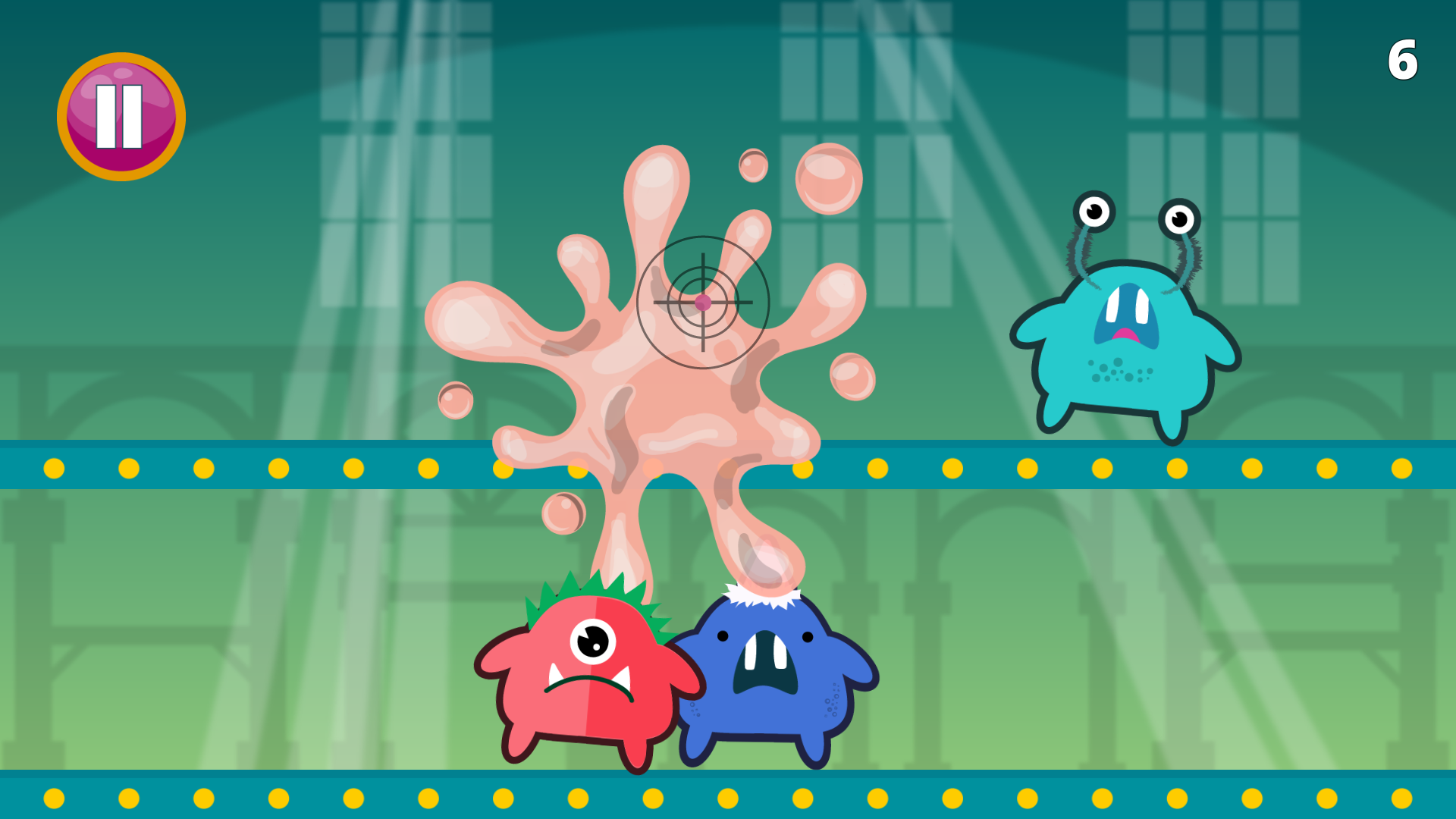
This group includes games in which the child learns to sustain their gaze on a chosen object for a set period of time. To trigger a reaction, it is not enough to merely look at the object - longer, conscious focus of attention on it is required. This skill is particularly important when using eye-controlled AAC communication systems, where making a choice may require sustaining gaze on a specific symbol or field.

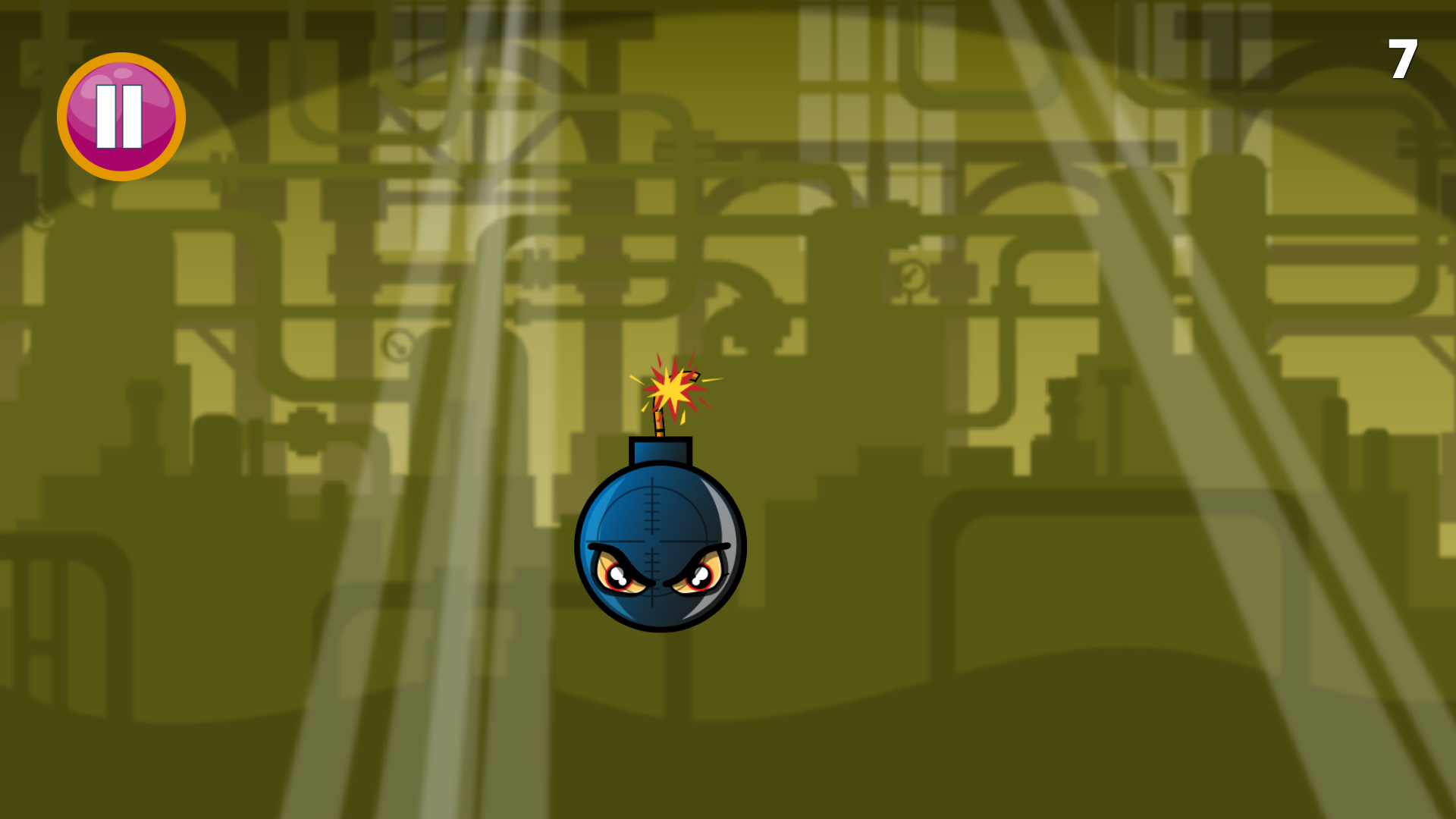
Gaze following
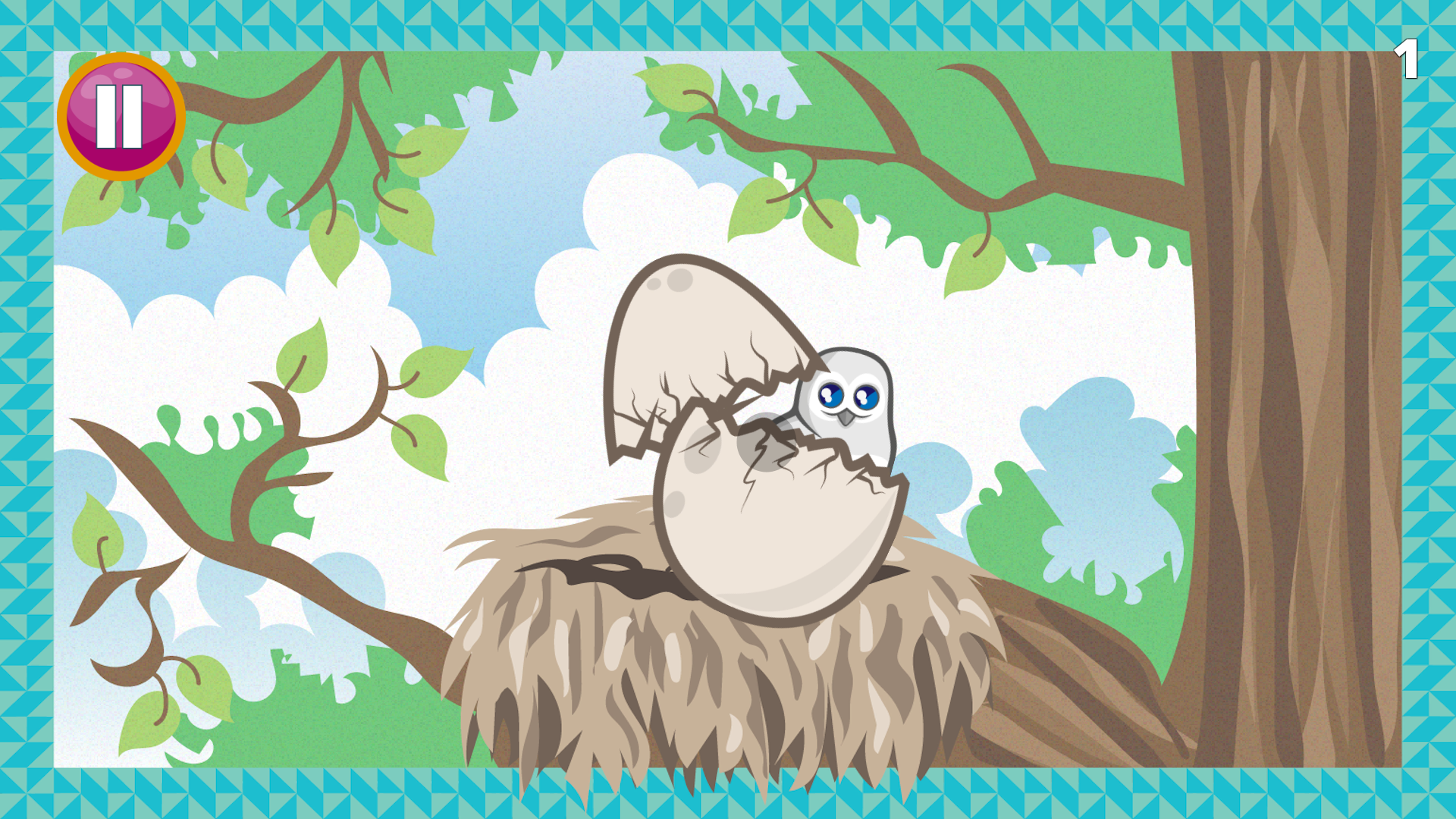
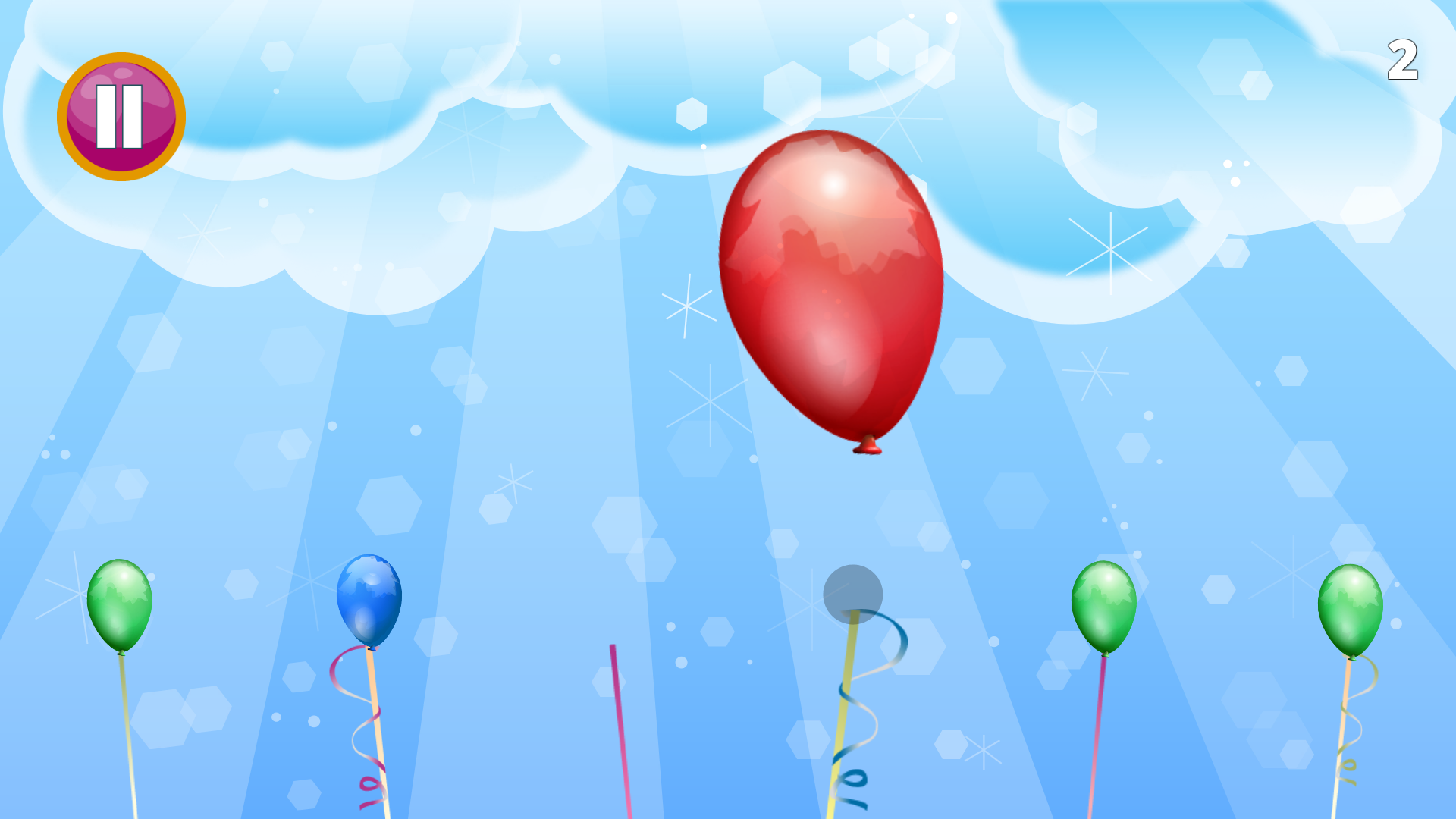
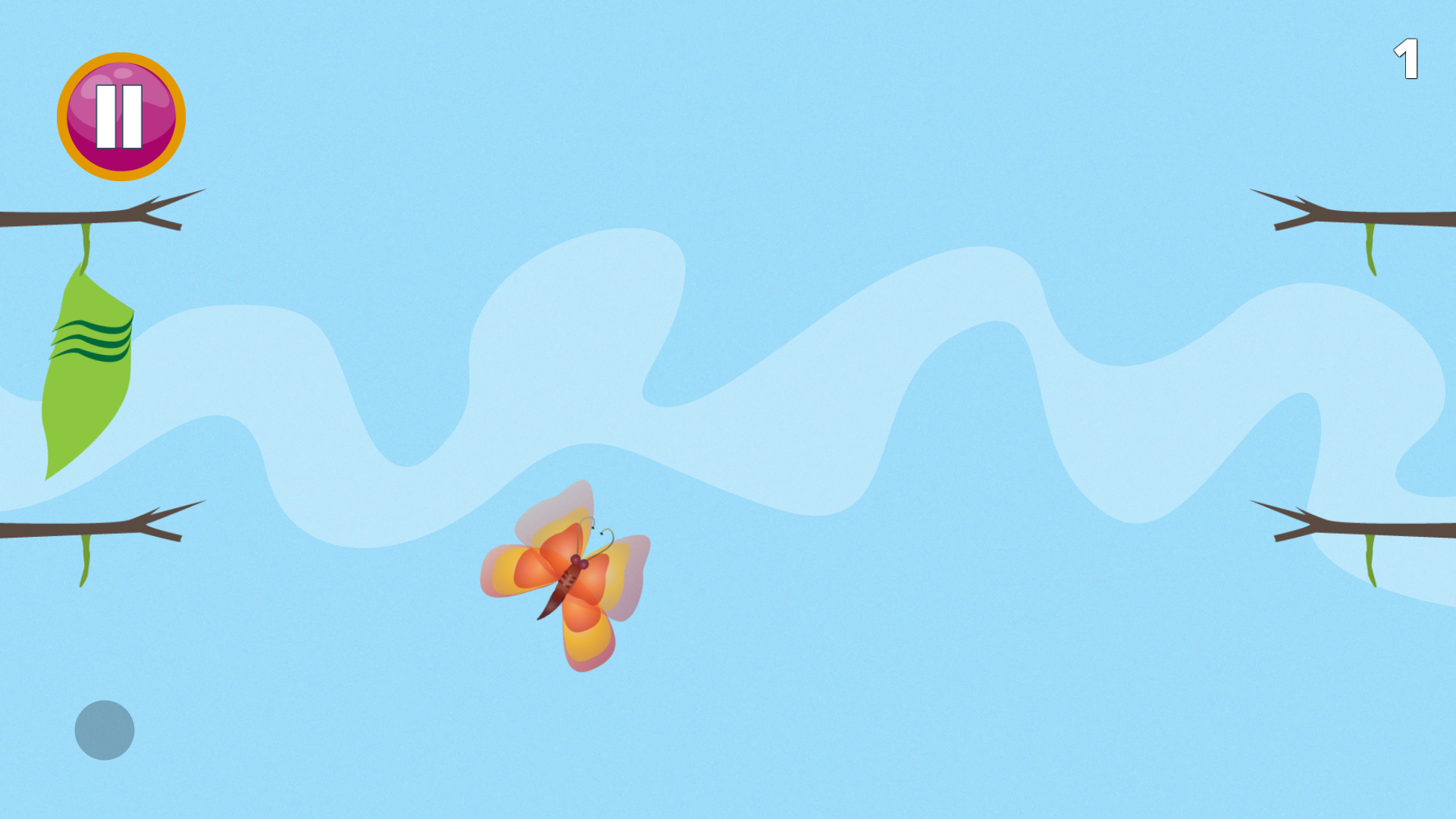
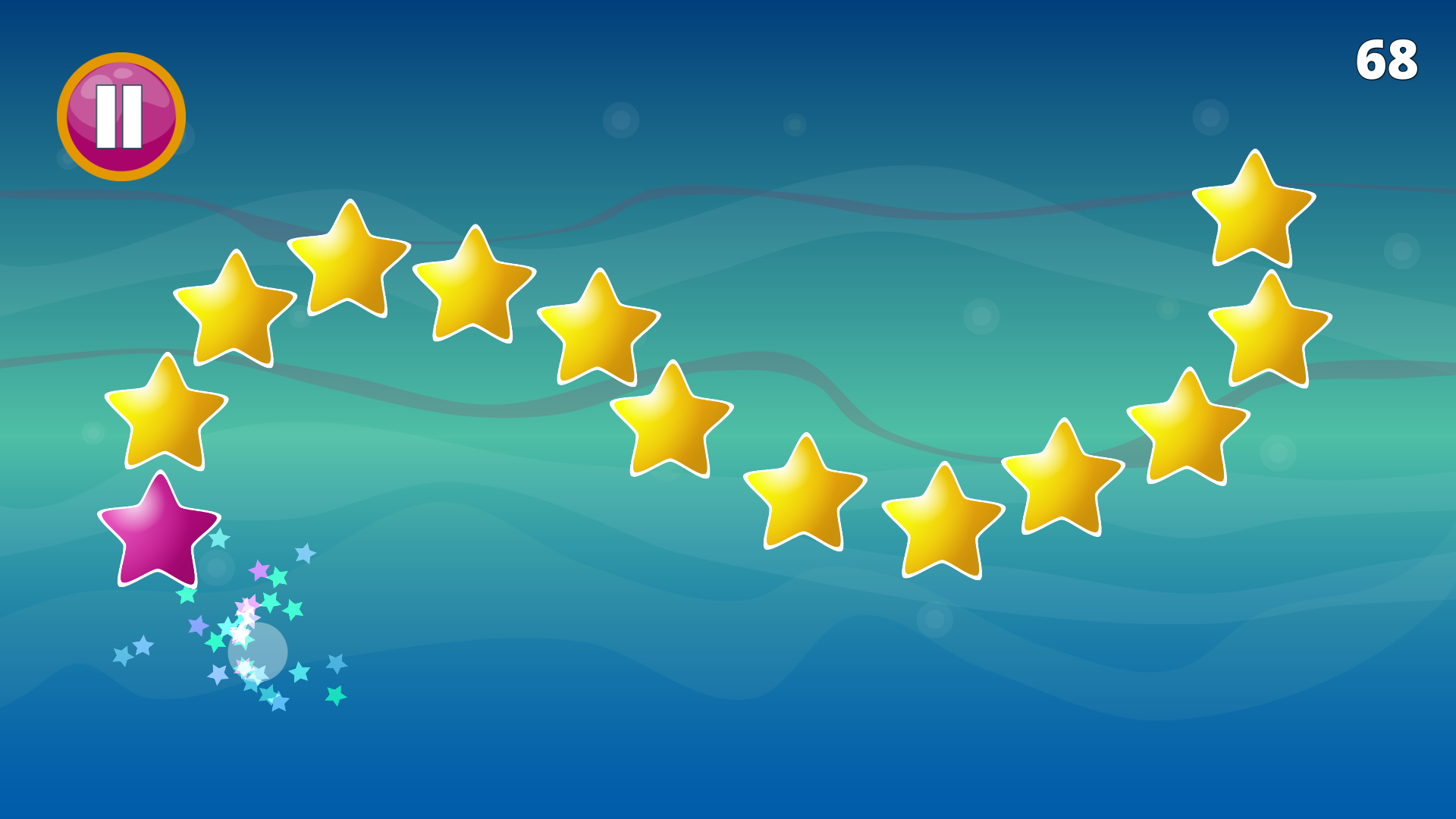
In the games from this category, the child learns to smoothly follow moving objects with their gaze or guide their gaze along a marked path. To trigger a specific effect, they must keep their eyes on the moving element, because looking away interrupts the interaction. These activities allow developing eye control and coordination in an engaging and enjoyable way for the child.
Complex interactions
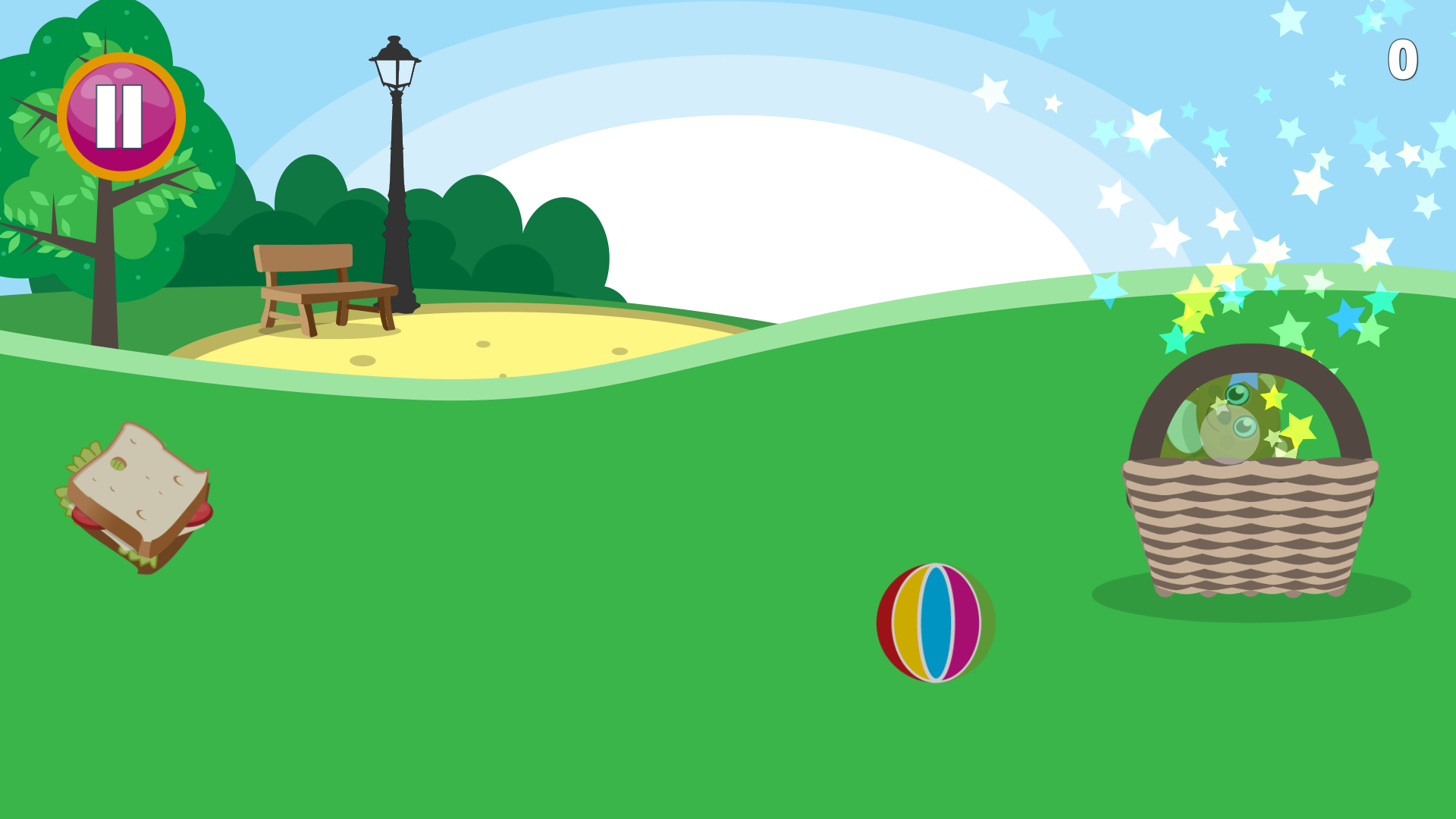
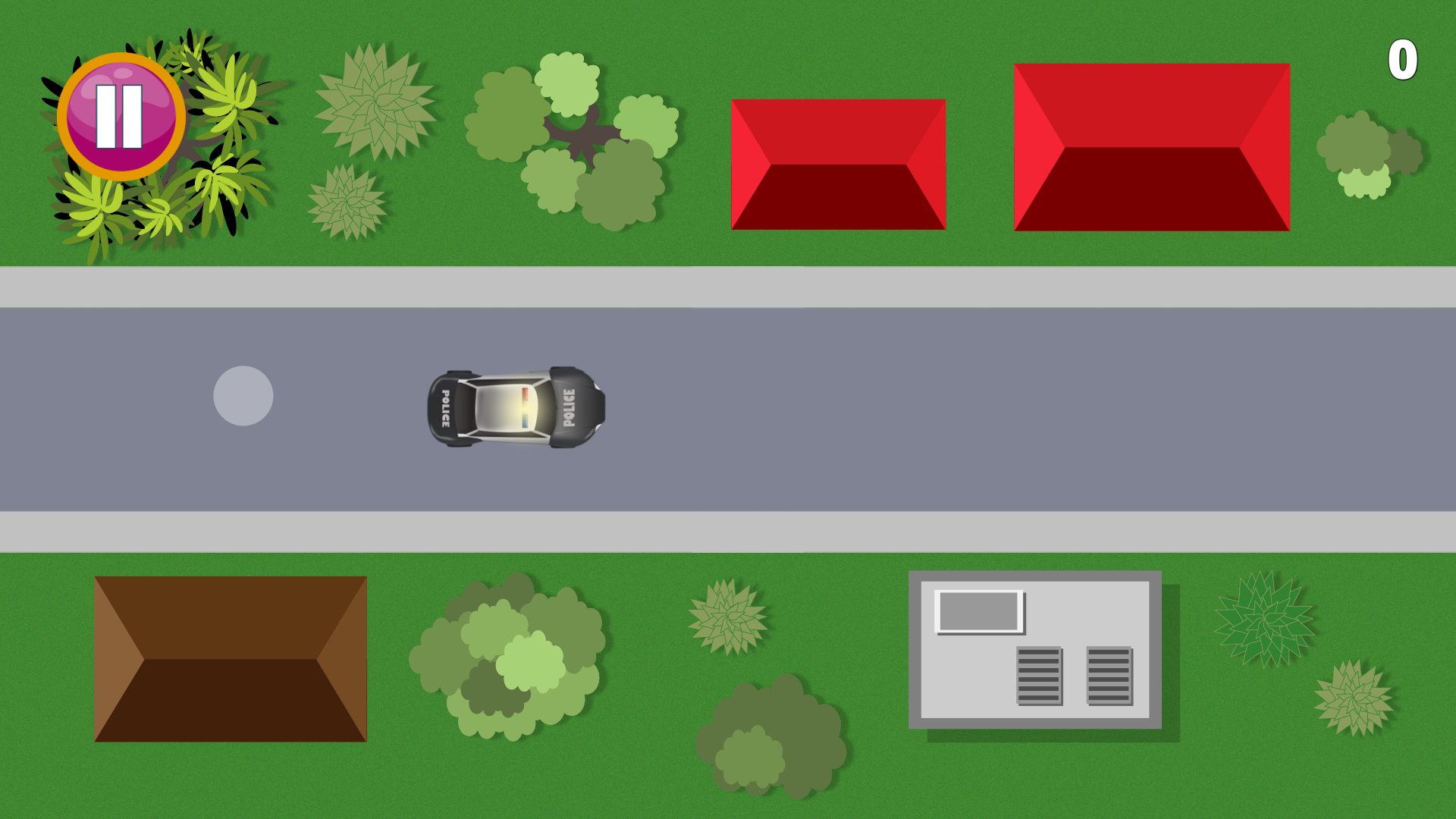
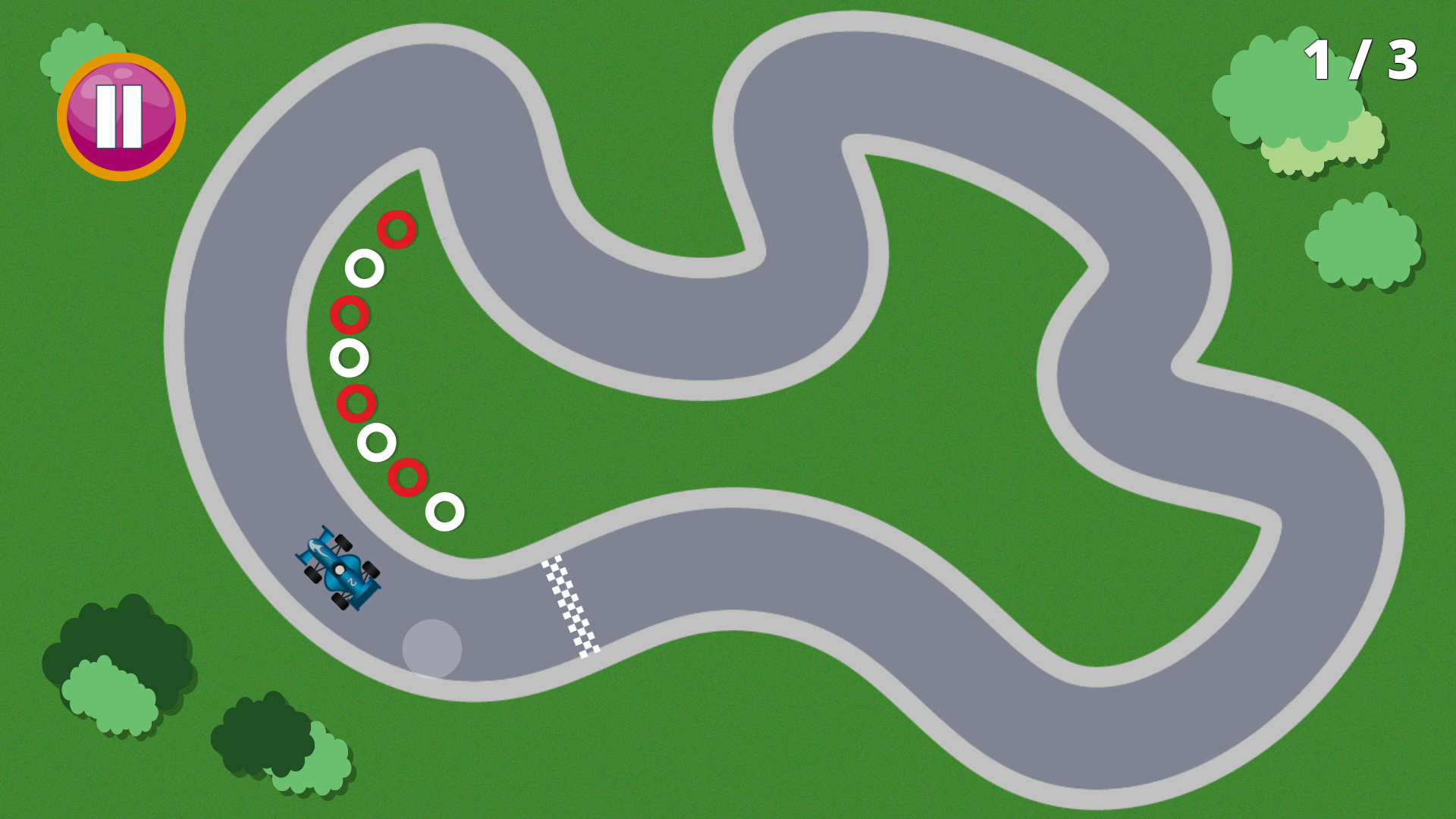
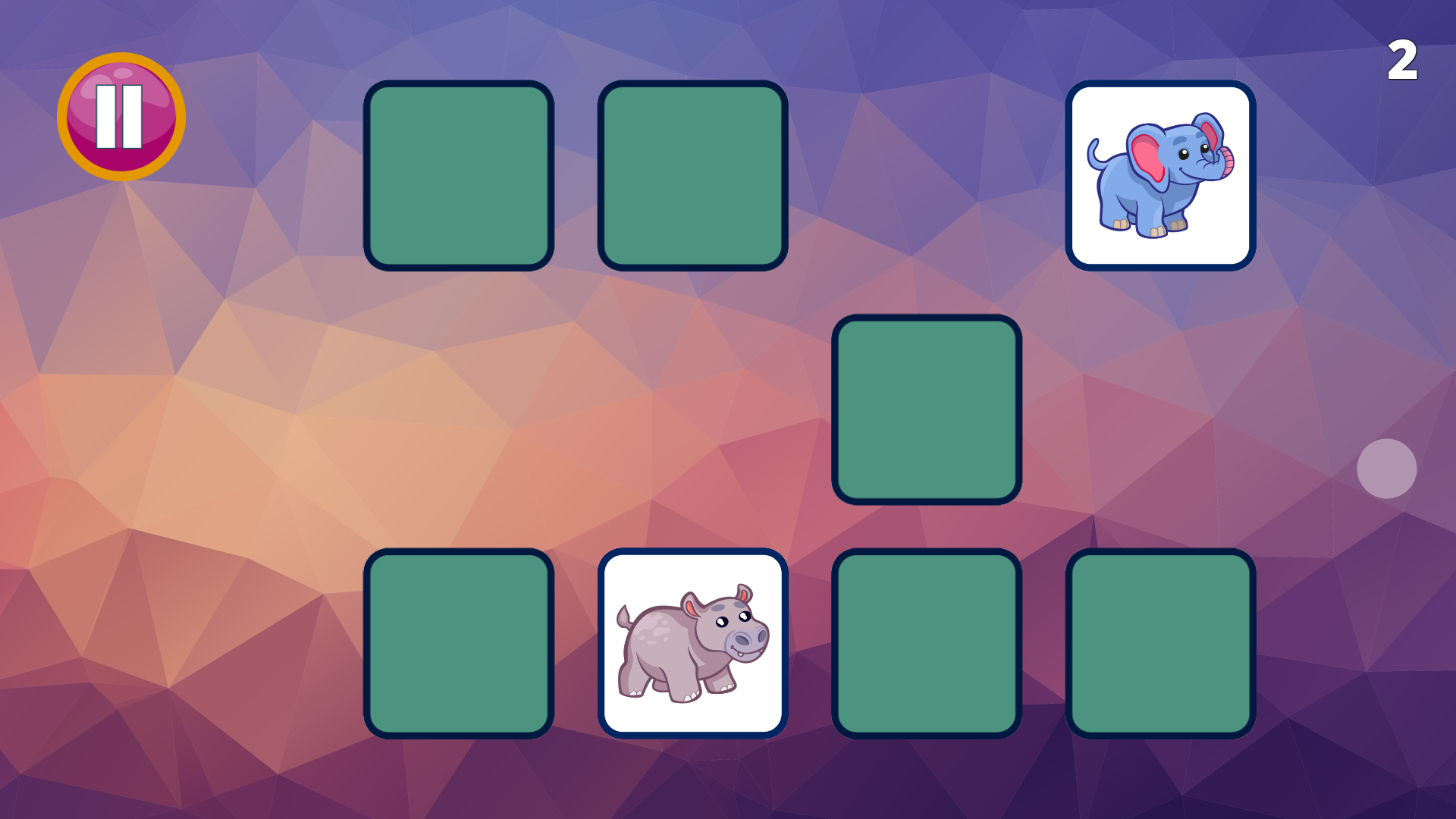
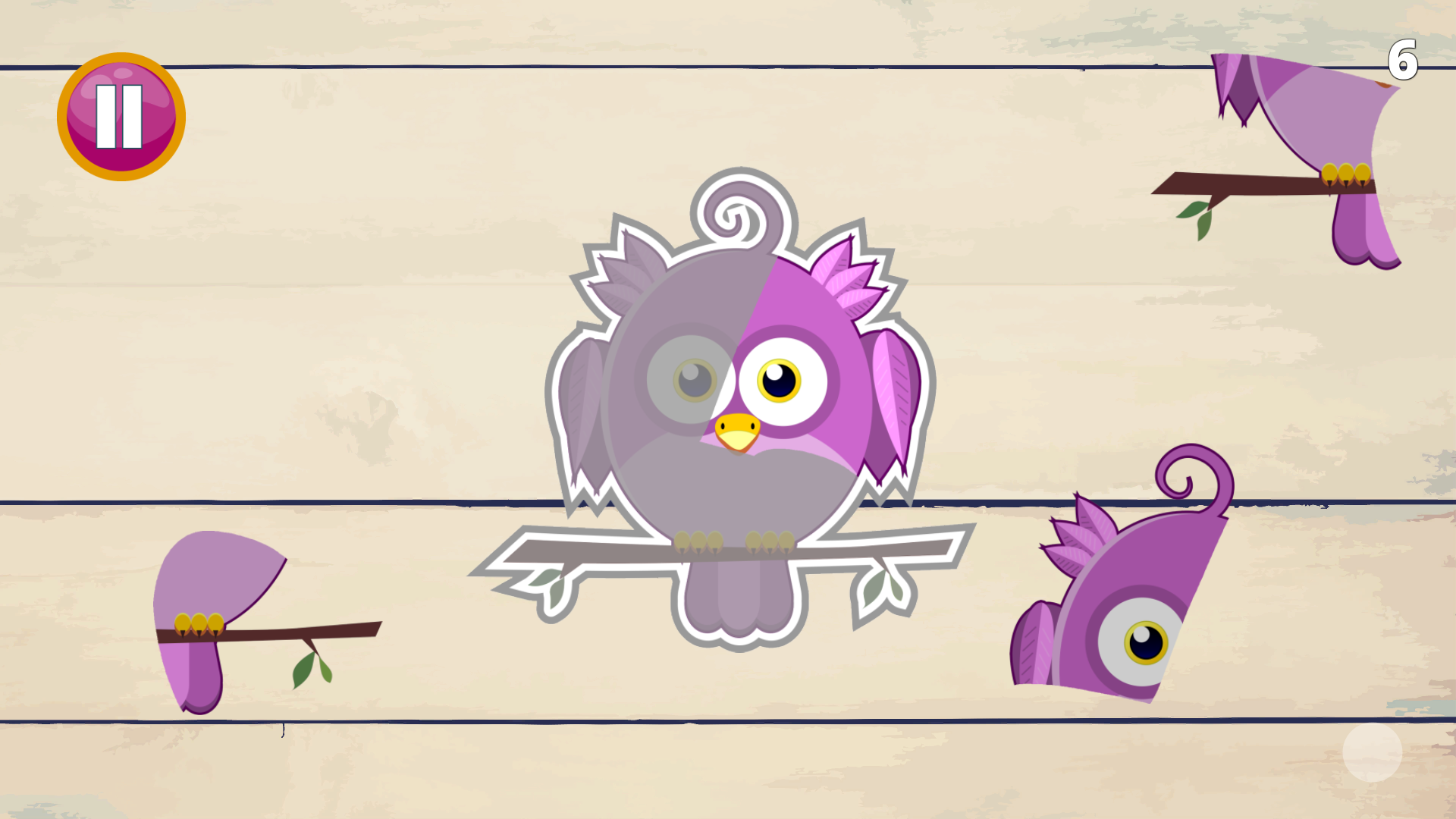
A separate category is formed by more complex games that combine different ways of interacting using gaze. Completing tasks requires children not only to use their gaze intentionally but also to focus their attention, remember elements and make associations between them. This allows the child to independently solve more elaborate tasks, taking satisfaction in the results of their own actions.
Try KINKA for yourself
Download the free demo version and explore a selection of activities.
Download the demo version